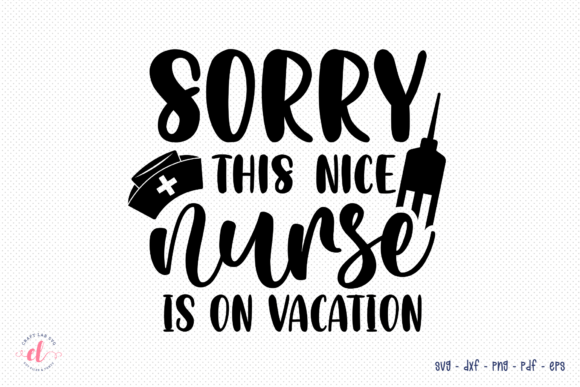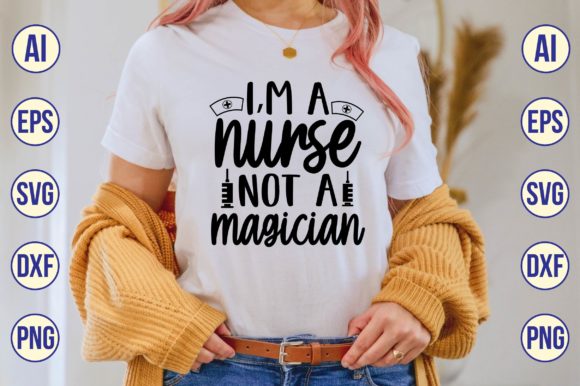
Reviewing the I m the Nurse Svg for Embroidery
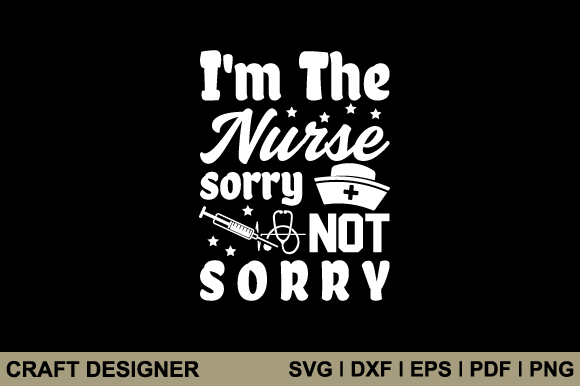
As a designer who has spent countless hours digitizing and testing files for real-world application, I approach every new machine embroidery design with a critical eye. It is not just about whether the image looks cute on a screen; it is about how those vectors translate into thread, tension, and texture on actual fabric. Recently, I evaluated the I m the Nurse Sorry Not Sorry Svg File to determine its viability for professional craft projects. This is not merely a digital asset; it is a statement piece that requires careful handling to ensure the final stitched product meets the high standards expected by healthcare professionals and gift recipients alike.
First Impressions and Visual Personality
The immediate mood of this design is bold, unapologetic, and spirited. The phrase "Sorry Not Sorry" paired with the nursing identity creates a specific visual personality that resonates with the resilience and humor often found in the medical field. From a layout perspective, the design relies heavily on typography. For an embroidery designer, text-heavy graphics present unique challenges. The clarity of the letterforms is paramount. If the kerning is too tight or the fonts too intricate, the threads will merge, turning readable words into a dense blob of satin stitch.
Upon examining the file structure within the provided zip folder, which includes SVG, DXF, EPS, PDF, and PNG formats, I noted that this is primarily a vector graphic intended for cutting or printing, but its clean lines make it a strong candidate for digitization into an embroidery file. The simplicity of the design suggests it would work best with a combination of fill stitches for larger letters and satin stitches for outlines or smaller text elements. The lack of excessive decorative clutter is a positive trait, as it reduces the risk of puckering and allows the message to remain the focal point.
Real-World Application: The Custom Tote Bag Test
To truly understand the potential of the I m the Nurse Sorry Not Sorry Svg File, I visualized a common real-life scenario: creating a custom embroidered tote bag for a nurse’s week gift. Tote bags are typically made from canvas or heavy cotton, which provides a stable base for embroidery. In this context, the design’s bold nature shines. A tote bag design needs to be legible from a distance, and the straightforward typography of this graphic ensures that the message is clear even when stitched with standard thread weights.
However, the transition from a digital Graphics file to a physical handmade product requires diligence. When preparing this for a sweatshirt or a cap, the dynamics change. For sweatshirt embroidery, the fabric is thicker and often fleece-lined. Here, the design would need to be scaled appropriately to avoid becoming too dense. A dense cluster of stitches on a soft knit can cause the garment to pull and distort. I would recommend using a cutaway stabilizer to support the weight of the thread, ensuring the finished product maintains its shape after repeated washing.
Versatility Across Product Lines
This design is not limited to bags. Its versatility makes it suitable for various custom apparel items. Imagine it stitched onto the chest pocket area of a scrub top or the back of a jacket. For embroidered patch creation, the design’s self-contained shape is ideal. Patches allow for high-density stitching on a separate piece of fabric, which can then be ironed or sewn onto uniforms without risking damage to the delicate medical fabrics. This is a crucial consideration for anyone running a craft business targeting medical professionals.
Furthermore, the design fits well into the category of personalized gift items. Whether it is for a graduation gift for a nursing student or a retirement present for a seasoned practitioner, the humorous tone adds a layer of personal connection. For Etsy seller accounts, offering this as part of a bundle with other medical-themed designs could increase average order value. It serves as a strong design asset for shops specializing in niche professional apparel.
Technical Considerations and Stitching Clarity
While the aesthetic appeal is strong, the technical execution determines the quality of the finished product. Since the source file is a vector graphic, the embroiderer must either digitize it themselves or ensure they are using a properly converted version. If you are working with the SVG directly for cutting vinyl, the process is straightforward. However, for embroidery, attention must be paid to stitch density.
Small details and sharp corners in the lettering can be problematic. If the design includes thin serifs or intricate loops, these areas may require underlay stitches to anchor the top stitches properly. Without adequate underlay, the threads may shift or leave gaps. I advise testing the design on scrap fabric first. This step is non-negotiable for professional results. Check how the thread colors contrast against the fabric. A white thread on a light gray scrub top might lack visibility, whereas a navy or black thread on a white background would pop effectively.
Fabric and Hoop Constraints
When working with textured fabrics or stretchy materials, the I m the Nurse Sorry Not Sorry Svg File requires extra caution. On curved surfaces like caps, the design must be centered perfectly to avoid distortion. A hoop size that is too small may force the design to be scaled down, potentially making the text illegible. Conversely, a hoop that is too large for a small item like a baby onesie might make placement difficult. Always confirm the hoop size compatibility before starting the machine.
For dark fabrics, consider using a lighter thread color or adding a backing layer if the fabric is thin. The visual appeal of the design depends heavily on this contrast. Poor contrast can make even the best-digitized design look amateurish. Additionally, for items that need frequent washing, such as kitchen towels or aprons, ensure the stitch count is not excessively high, as this can weaken the fabric over time.
Enhancing Brand Consistency and Customer Trust
For small shop product lines, consistency is key. Using a design like this helps build a recognizable brand voice—one that is professional yet approachable and humorous. When customers see high-quality stitching with clear, crisp lettering, their trust in the brand increases. This directly impacts buyer engagement and repeat business. A well-executed embroidery project serves as a tangible representation of your skill level.
Moreover, creating printable mockups using the included PNG or PDF files can help visualize the final product before stitching. This is invaluable for online listings. High-quality images of the design on various garments can significantly boost sales for digital embroidery file sellers or those selling physical goods. It allows customers to imagine the item in their own lives, enhancing the perceived value.
Final Verdict and Practical Advice
The I m the Nurse Sorry Not Sorry Svg File is a robust choice for designers looking to add personality to their Crafts portfolio. Its strength lies in its clear messaging and adaptable layout. However, success depends on proper technical preparation. Always check the licensing terms provided in the download to confirm whether the file can be used for commercial embroidery projects. While the zip folder contains multiple formats, remember that SVG and DXF are primarily for cutting, so additional digitization steps may be required for machine embroidery unless a specific DST or PES file is also provided or created.
In summary, treat this design as a versatile tool in your arsenal. Use it for bold statements on durable fabrics like canvas and denim, exercise caution on delicate knits, and always prioritize stitch clarity through proper stabilizer use and thread selection. By respecting the technical requirements of the medium, you can transform this simple graphic into a high-value, cherished item for any nurse who wears their profession with pride and a sense of humor.